
Every image on this page is compressed and optimized for page speed with lazy loading to keep your experience fast.
Ecommerce Website: 17 Proven Wins That Convert
By Morne de Heer · Published by Brand Nexus Studios
You want an ecommerce website that sells from day one. You also want a build that is fast, stable, and easy to maintain as your catalog and campaigns grow.
An ecommerce website succeeds when product discovery, trust, and checkout feel effortless. That means crisp UX, sharp SEO, and reliable performance on mobile where most buyers start.
In this guide we outline service options, 17 proven wins, and real case studies. We also share a straightforward plan to launch your ecommerce website with confidence, plus notes on caching and image compression for speed.
Ecommerce website services we deliver
Your ecommerce website should be a revenue engine, not a maintenance headache. Here is what a complete engagement typically includes.
- Strategy and information architecture for category pages, filters, and product hierarchies
- Design systems with reusable blocks for PLP, PDP, cart, and checkout
- Theme selection and customization aligned to your ecommerce website goals
- Payment, shipping, tax, and CRM integrations configured and tested
- Analytics, event tagging, and dashboards that make decisions easy
- SEO foundations including product schema, internal linking, and crawl control
- Performance tuning with caching, CDNs, and compressed images for fast loads
- Governance, training, and documentation so your team moves quickly
When you need specialist help, the website design and development team at Brand Nexus Studios builds scalable systems without bloat, tailored to your ecommerce website and growth targets.
17 proven wins for your ecommerce website
Small changes compound. Use these tactics to strengthen your ecommerce website week by week without relying on big redesigns.
1. Nail first paint and LCP
A fast first impression builds trust. Keep CSS lean, inline critical styles, and compress hero images. Your ecommerce website should hit a fast LCP even on 4G.
2. Make search unmissable
Shoppers who search convert more. Add a sticky search bar with autocomplete and typo tolerance. Let your ecommerce website surface product cards fast.
3. Use helpful filters and facets
Clear filters reduce bounce on category pages. Show only relevant options and make resets obvious. An ecommerce website thrives on clarity and speed.
4. Put value props above the fold
Free shipping, easy returns, and secure payment icons near the add to cart button boost confidence. Your ecommerce website should reassure at a glance.
5. Polish product photos and video
High quality, compressed media matters. Offer zoom, 360, and short clips. Keep file size small so your ecommerce website stays quick on mobile.
6. Write conversion focused copy
Lead with benefits, follow with specs. Use bullet highlights and answer objections. Every ecommerce website wins with clearer product copy.
7. Add social proof where it counts
Show ratings near price, not buried below. Feature short reviews that mention use cases. An ecommerce website is credible when others vouch for it.
8. Simplify the cart
Reduce visual noise and show totals clearly. Promote one primary action. Your ecommerce website cart should make the next step obvious.
9. Streamline checkout
Guest checkout, address auto complete, and clear progress indicators reduce friction. A frictionless ecommerce website closes more sales.
10. Offer quick add and mini cart
Let shoppers add from listings and review in a mini cart without page reload. This keeps your ecommerce website feeling fast and modern.
11. Optimize for mobile thumbs
Place CTAs within easy reach. Make sizes and variants tap friendly. A mobile-first ecommerce website protects conversions on small screens.
12. Clarify returns and shipping
Link to short, friendly policies. Show delivery estimates before checkout. An honest ecommerce website removes doubt early.
13. Use bundles and cross sells
Pair with complementary items on PDP and cart. Keep suggestions minimal. Your ecommerce website can raise AOV with smart bundles.
14. Add back in stock alerts
Capture emails for sold out items and notify fast. Your ecommerce website recovers demand without ads.
15. Build email and SMS flows
Abandoned cart, post purchase, and replenishment flows drive repeat sales. Make sure your ecommerce website events are tracked correctly.
16. Use trust badges sparingly
Quality over clutter. Place badges in the footer and near payment areas. A neat ecommerce website reads more premium.
17. Measure, test, improve
Set clear KPIs, run A B tests, and iterate. The best ecommerce website is the one you improve consistently.
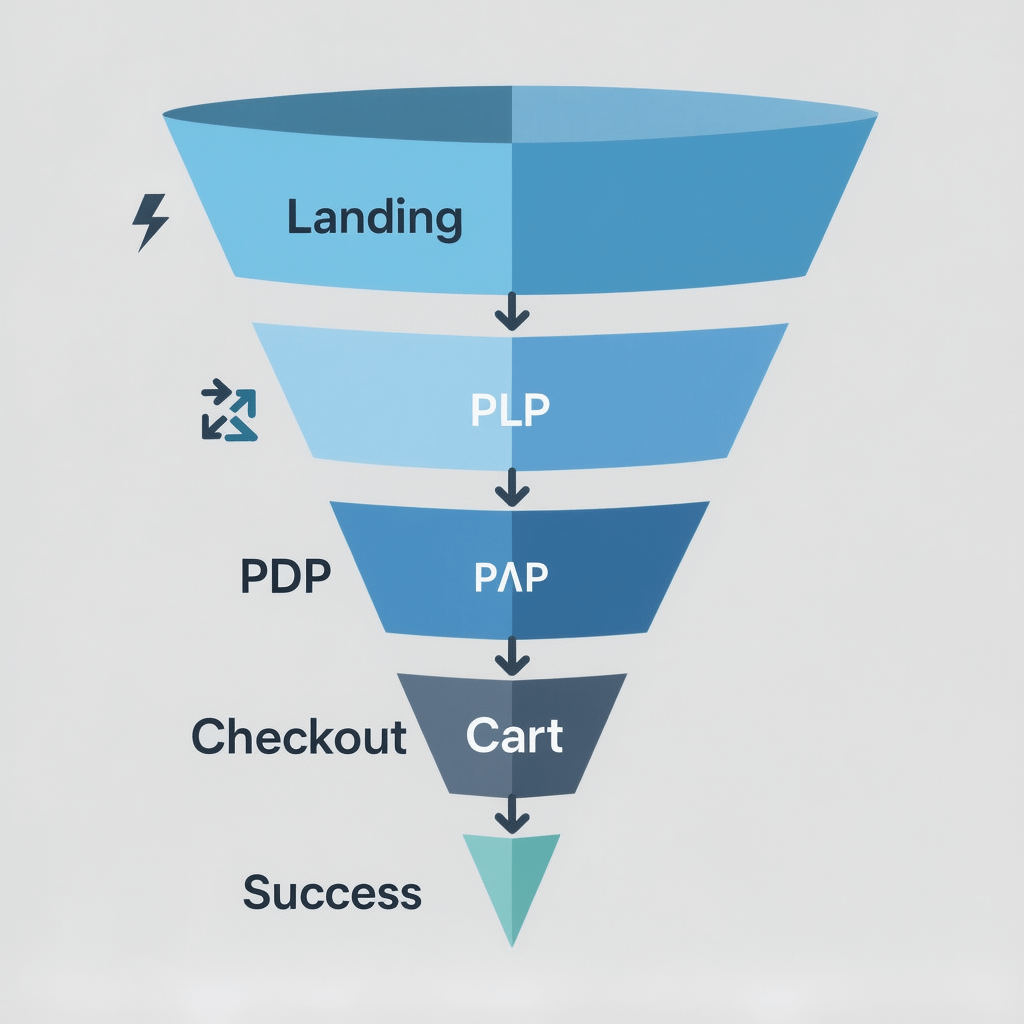
Ecommerce website case studies
Real teams, real outcomes. These snapshots show how a focused ecommerce website plan compounds gains across channels.
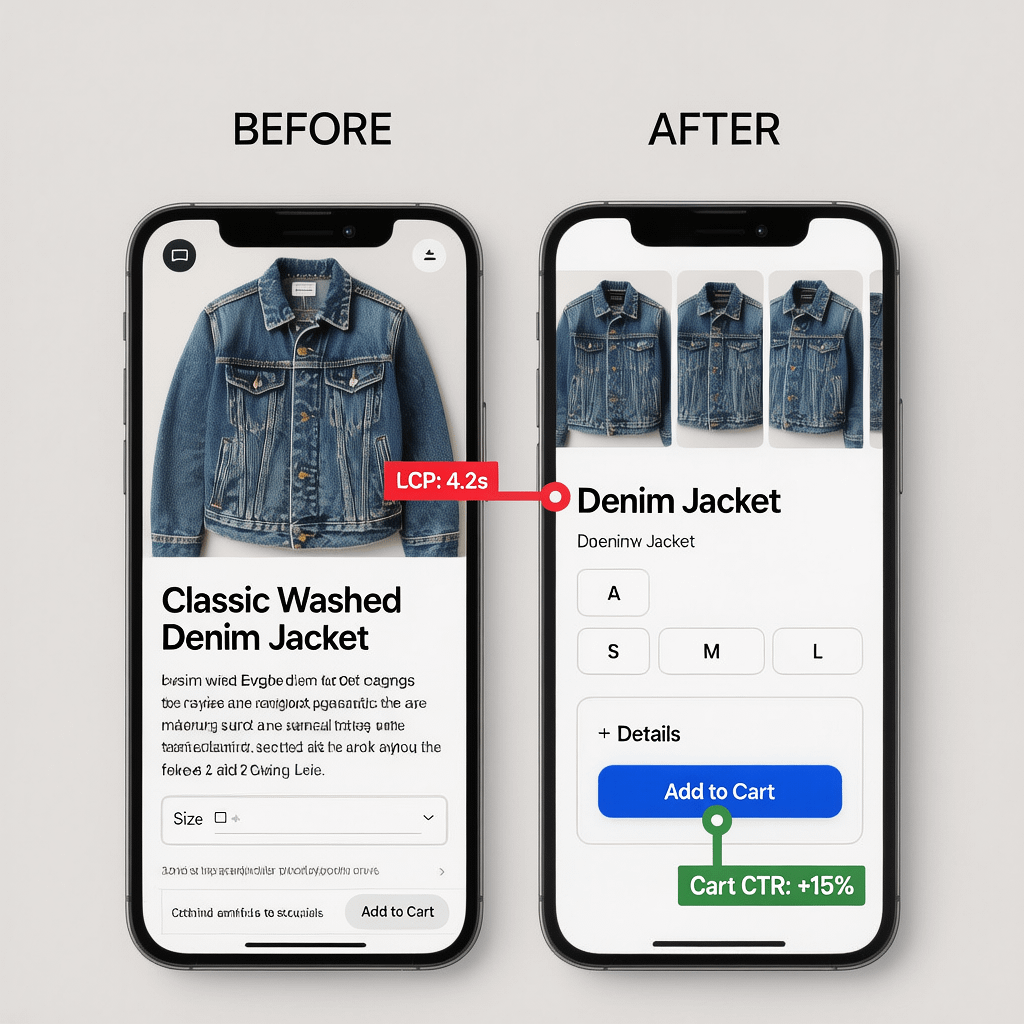
Case study A – D2C apparel
Challenge: Slow loads and high cart abandonment. The ecommerce website had heavy images and a cluttered checkout.
- Actions: Compressed media, streamlined cart, added guest checkout, optimized LCP
- Results 90 days: Faster pages, lower bounce on PLP, higher checkout completion
Case study B – Specialty home goods
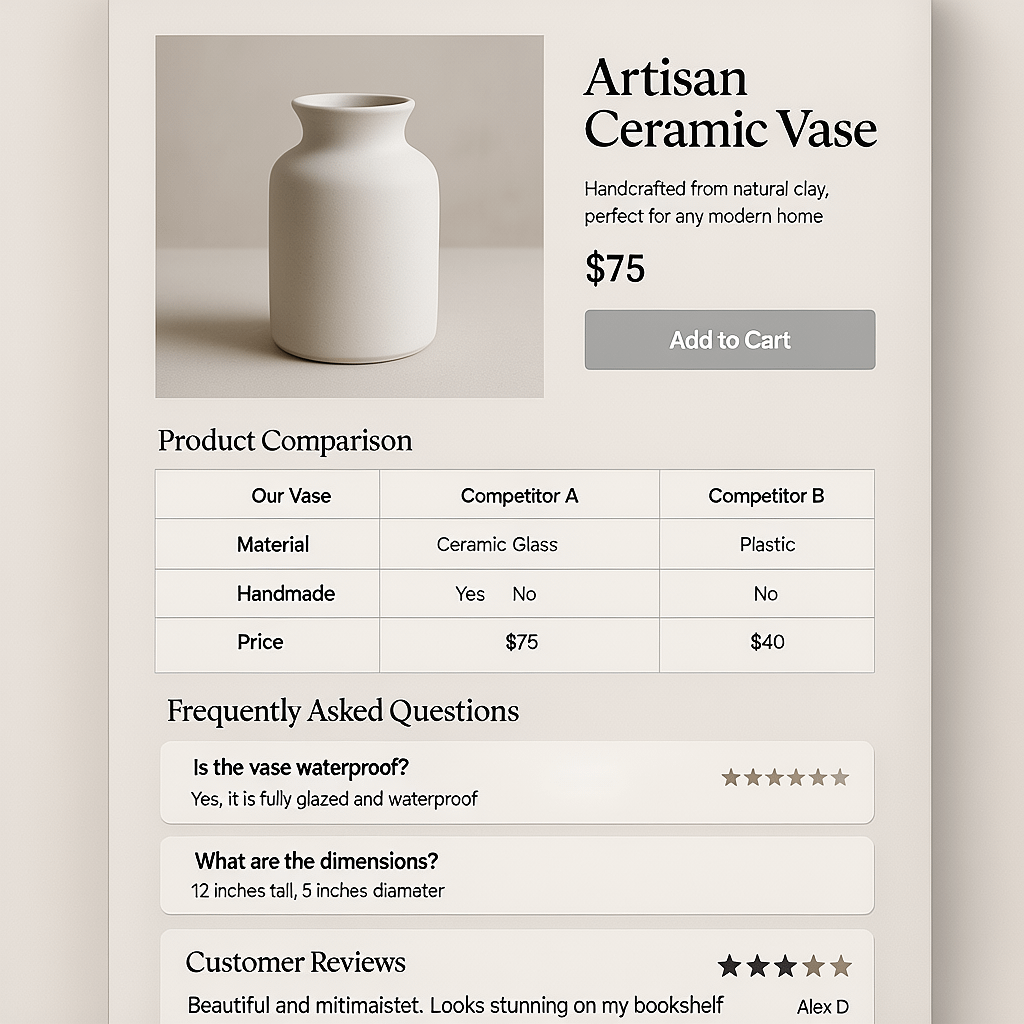
Challenge: Low organic traffic and poor PDP engagement. The ecommerce website lacked structured data and product FAQs.
- Actions: Product schema, richer copy, comparison tables, and internal links
- Results 120 days: Higher organic clicks, longer PDP dwell time, increased add to cart rate
Case study C – B2B supplies
Challenge: Complex variants and wholesale pricing. The ecommerce website needed custom rules and account permissions.
- Actions: Variant matrices, tiered pricing, and quick order forms
- Results 60 days: Faster bulk orders and a clear path for logged in buyers
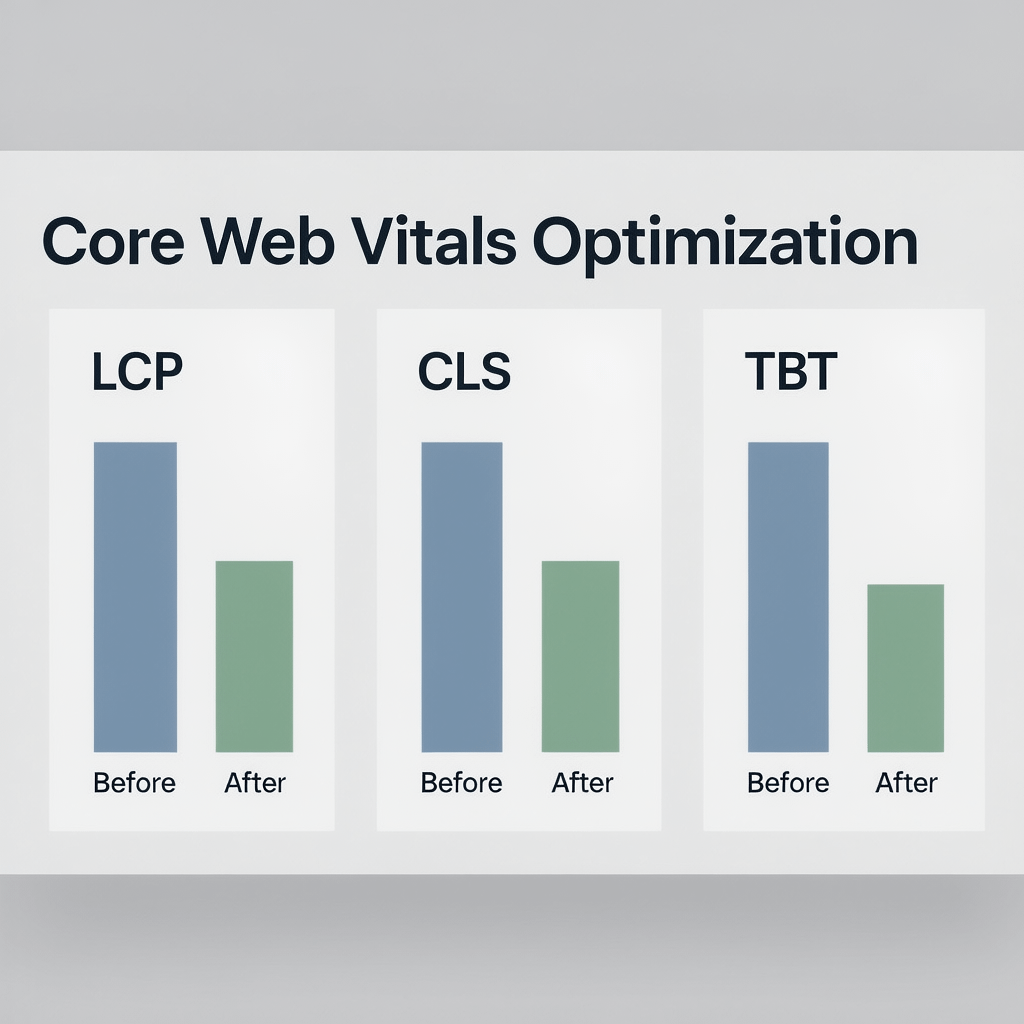
Performance and Core Web Vitals
Speed drives conversions. A lean ecommerce website with caching and image compression will beat a heavy site with extra features every time.
- Cache pages and use a CDN to serve assets close to users
- Compress JPEGs and PNGs to WebP or AVIF and resize images to display dimensions
- Defer non critical scripts and preload key fonts to protect CLS and LCP
- Measure real user data and fix regressions before campaigns
SEO foundations for an ecommerce website
Organic traffic compounds value over time. Structure your ecommerce website to help search engines understand your catalog and intent.
- Map categories with clear parent-child relationships and sensible URLs
- Write unique titles and descriptions for PLP and PDP templates
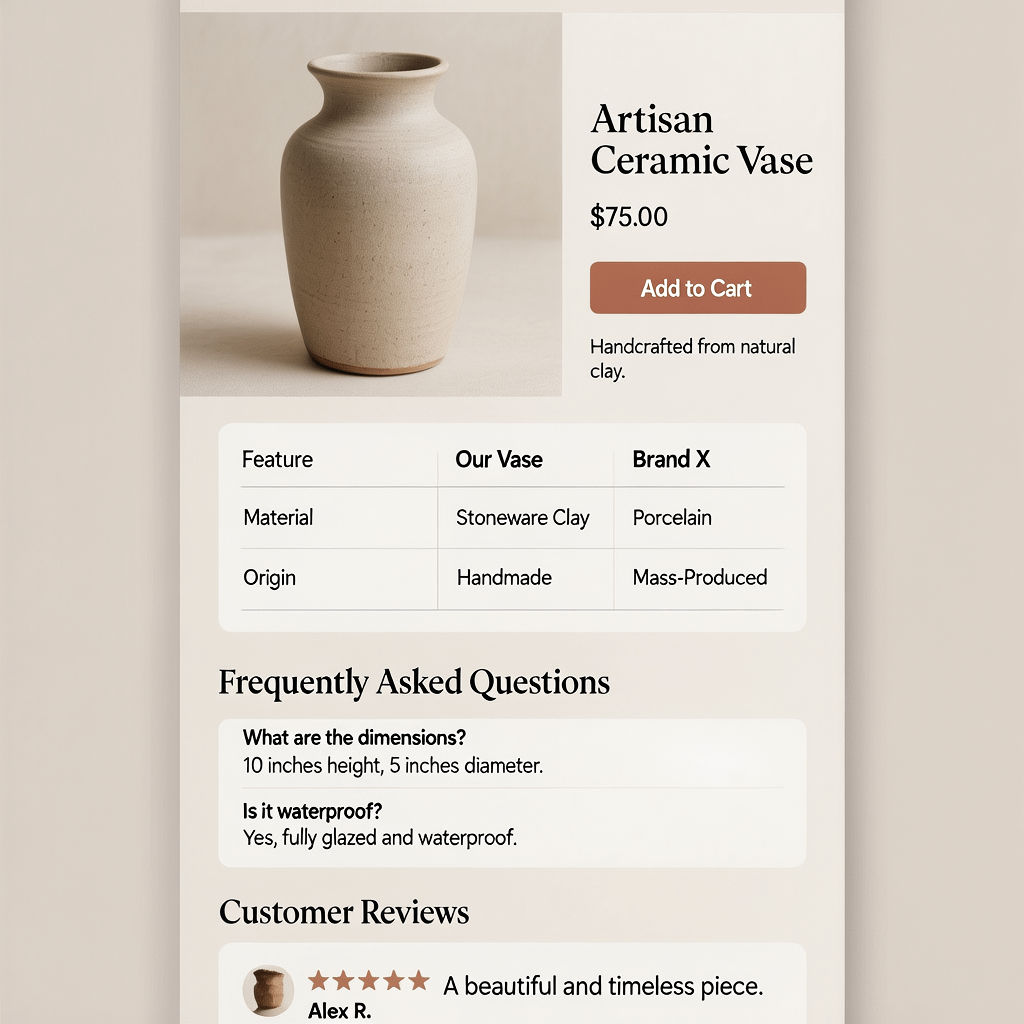
- Add product schema and FAQs to answer common objections
- Use internal links to connect related items, guides, and categories
For strategy and execution, our SEO services integrate research, tech fixes, and content systems that fit your ecommerce website and market.
Checkout UX and CRO
Checkout is where deals are won or lost. Your ecommerce website should remove cognitive load and reduce keystrokes at every step.
- Use a progress indicator, single column layout, and large touch targets
- Enable guest checkout and save addresses for logged in users
- Auto detect card type and validate inline to prevent form errors
- Show shipping costs early and offer a clear returns policy link
Platform choices for your ecommerce website
The right platform depends on budget, control, and integrations. Start with buyer needs, not vendor hype.
WooCommerce on WordPress
Great when you want flexibility, content marketing, and control. A WooCommerce based ecommerce website can scale with lightweight themes and well chosen plugins.
Shopify
Managed hosting, app ecosystem, and quick setup. You trade some flexibility for simplicity. For many teams, a Shopify ecommerce website is a pragmatic start.
Headless and composable
Powerful but complex. Choose only if your team can maintain a decoupled stack. A headless ecommerce website suits omnichannel content and custom front ends.
Whichever route you take, confirm your analytics and events early so your ecommerce website can be measured accurately from day one.
Security, reliability, and governance
Trust underpins every purchase. Keep your ecommerce website safe and stable with basic hygiene and smart processes.
- Use reputable plugins and keep them updated with a staging-first workflow
- Back up daily and test restores quarterly
- Enforce strong passwords, 2FA, and least privilege access
- Monitor uptime, errors, and checkout health with alerts
Clear governance ensures your ecommerce website stays stable through team changes and busy seasons.
Content and merchandising in your ecommerce website
Content builds demand and trust beyond ads. Pair helpful guides and comparison pages with strong merchandising on category and product pages.
- Seasonal collections and campaigns that align with inventory
- Comparison charts that clarify differences in one glance
- Product FAQs that reduce pre purchase anxiety
- UGC and photo reviews to add real world context
With a consistent plan, your ecommerce website can attract, educate, and convert without a giant ad bill.
Operations that power an ecommerce website
Behind every smooth storefront is an even smoother back office. Tighten operations so your ecommerce website keeps promises at scale.
- Inventory sync and alerts to prevent oversells
- Clear pick-pack rules and shipping label automation
- Order status emails that update at the right moments
- Refund flows that are fair and quick to execute
When ops and UX align, your ecommerce website earns repeat buyers and referrals.
Analytics and decision making
Measure what matters and ignore vanity metrics. Your ecommerce website should report signals you can act on today.
- Track events for add to cart, checkout step views, and payment success
- Segment by device, traffic source, and campaign to spot patterns
- Review search queries on site to refine filters and copy
- Use A B testing to validate changes before broad rollouts
A clear scorecard helps your ecommerce website improve each sprint without guesswork.
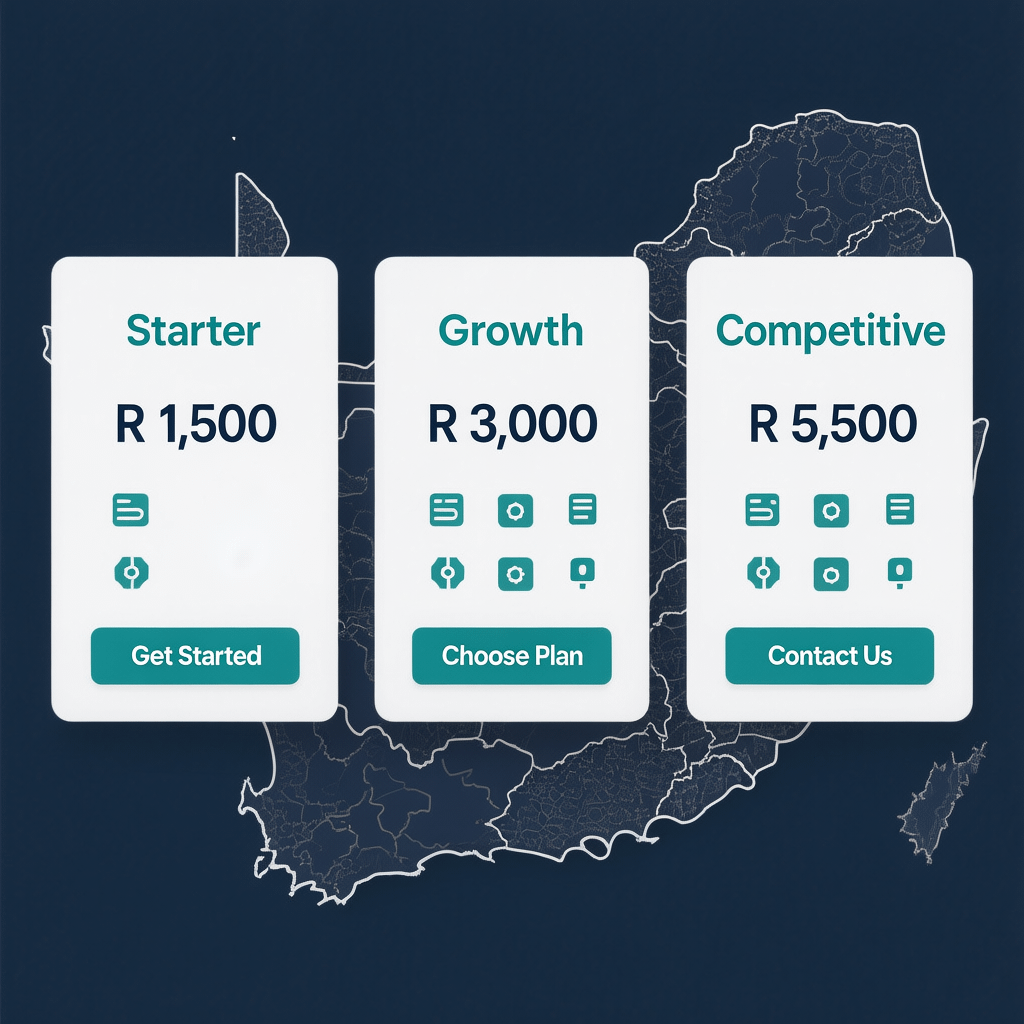
Pricing and packages
Budgets reflect scope. Simple catalogs and standard checkout flows cost less than custom product builders, complex variants, or multi warehouse shipping.
For a transparent starting point, explore our website packages to scope your ecommerce website investment and timeline.
A practical process to launch your ecommerce website
A disciplined process reduces risk. Follow this flow and your ecommerce website goes live smoothly without surprises.
- Goals and KPIs: Set revenue targets, AOV, and conversion baselines.
- Catalog and content: Lock product data, attributes, and photography plan.
- UX and patterns: Approve wireframes and reusable blocks for speed.
- Build and integrate: Configure payments, tax, shipping, and CRM.
- Performance: Cache pages, compress images, and defer scripts.
- SEO and analytics: Add schema, titles, and event tracking.
- QA and UAT: Test forms, checkout, and email notifications.
- Launch: Deploy during low traffic with a rollback plan.
- Iterate: Review analytics and start CRO experiments.
Why partner with a specialist
Templates are convenient, but a real strategy gives you an edge. A seasoned team accelerates your ecommerce website and prevents avoidable mistakes.
If you want a build that balances speed, design, and growth, Brand Nexus Studios can plan and deliver a scalable ecommerce website while keeping your stack lean.
Post launch growth for an ecommerce website
Launch is the start, not the finish line. Keep a steady cadence of learnings and changes so your ecommerce website compounds results.
- Rotate campaigns on the homepage and top categories
- Schedule technical audits to fix regressions fast
- Expand content hubs that support discovery and comparison
- Refine email and SMS automations as new cohorts arrive
Pair these habits with quarterly planning and your ecommerce website keeps getting better without expensive rebuilds.
FAQs
What does a successful ecommerce website include?
Speed, helpful content, clear navigation, trustworthy signals, and painless checkout. Tie it together with analytics and reliable hosting.
How long does an ecommerce website take to launch?
Most focused builds ship in 6 to 10 weeks. Heavier integrations and catalog work can extend timelines. Plan buffer for QA.
Which platform should I choose for my ecommerce website?
Pick WooCommerce if you value flexibility and content control. Pick Shopify if you want managed simplicity. Choose headless if you need custom front ends and have dev capacity.
How do I drive traffic to a new ecommerce website?
Use SEO, paid search, paid social, email, and partnerships. Publish helpful content and measure what converts, not just what clicks.
How do I improve conversions without a redesign?
Focus on PDP clarity, image compression, faster LCP, simplified checkout, and small A B tests. Gains add up quickly.
Is accessibility required for an ecommerce website?
Accessible sites reduce friction and expand your audience. Test keyboard access, color contrast, and focus states regularly.
What about maintenance and updates?
Keep a staging site, update plugins and themes monthly, and back up daily. Monitor errors and uptime so your ecommerce website stays healthy.
References
Dig deeper with trusted research and guidance:
About the Author