

Feature image showing a global CDN reducing latency and improving Core Web Vitals.
Does a CDN Help SEO? 7 Proven Wins You Need
By Morne de Heer, Published by Brand Nexus Studios

Here is the straight talk you came for. Does a CDN help SEO? Yes, when configured correctly, a content delivery network improves speed, stability, and crawl efficiency. That translates into better user experience and stronger organic performance.
But there is nuance. The question does a CDN help SEO covers more than raw speed. It touches caching strategy, how bots access your site, and whether your global visitors get reliably fast pages. Let’s walk through the wins, the pitfalls, and a practical setup.
Does a CDN help SEO? The short answer
Yes. A CDN helps SEO by reducing latency, improving Core Web Vitals like LCP and INP, protecting uptime under load, and making crawling more efficient. In other words, the practical answer to does a CDN help SEO is a resounding yes.
However, a CDN is not a silver bullet. If your origin is slow, your images are gigantic, or your JavaScript blocks rendering, a CDN alone cannot save the day. Even so, when you ask does a CDN help SEO in the real world, the benefits are consistent if you set it up right.
What is a CDN and why it matters for rankings
A content delivery network is a distributed layer of edge servers that cache and serve your static assets close to users. The shorter the distance and the fewer round trips, the faster the experience. Faster pages improve engagement signals and reduce bounce rates.
Modern CDNs also optimize delivery with HTTP/2 or HTTP/3, TLS 1.3, Brotli compression, and smart image processing. Those pieces directly influence metrics Google cares about, so when you ask does a CDN help SEO, you are really asking whether these improvements impact rankings and conversions. They do.
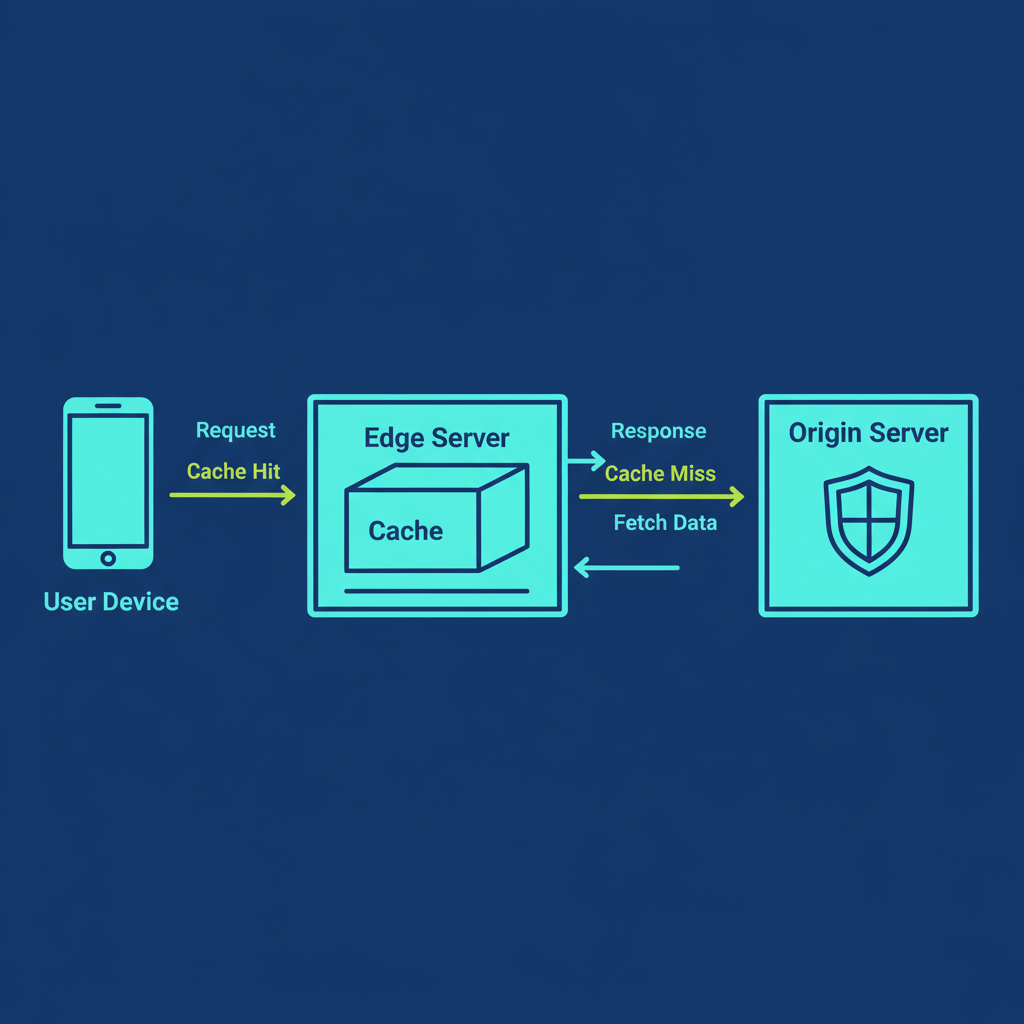
7 proven SEO wins from using a CDN
1) Faster LCP and better Core Web Vitals
Search engines look at real user data. A CDN cuts TTFB and speeds up large asset delivery, which improves LCP and often reduces INP by shortening blocking time. If you wonder does a CDN help SEO on mobile networks, this is where you feel it most.
Boosts come from edge caching, HTTP/2 multiplexing, HTTP/3 over QUIC, and Brotli. Combined, they reduce network cost. The question does a CDN help SEO for image heavy pages is answered by image CDNs that resize, compress, and convert formats on the fly.
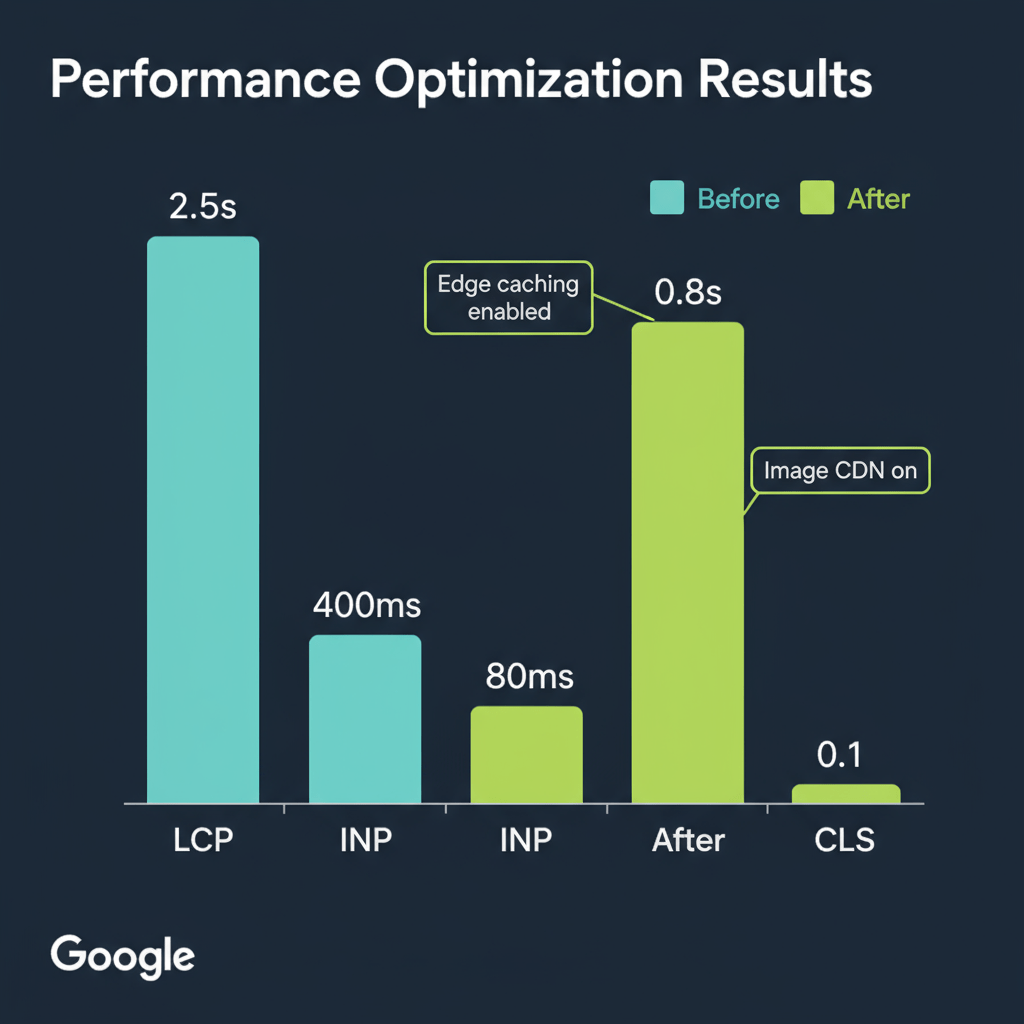
2) Crawl efficiency and index stability
Faster responses reduce crawl overhead. CDNs also lower origin load, so your server stays responsive when bots and users hit at the same time. This keeps 200s flowing and minimizes 5xx errors that can hurt trust.
Does a CDN help SEO in terms of crawl budget? Yes. It helps crawlers fetch more pages in the same time window, and that can stabilize indexation for large catalogs.
3) Global performance a.k.a. rankings beyond your backyard
If you serve multiple regions, a CDN is critical. Nearby edges reduce latency for international users. When someone asks does a CDN help SEO across countries, the performance gain is often the difference between a pass and fail on LCP.
You still need proper hreflang and localization. A CDN just ensures the delivery layer is fast everywhere.
4) Reliability under spikes and campaigns
Traffic surges from ads, PR, or seasonality can trigger origin slowdowns. Edge caching, origin shielding, and tiered caching protect your server so it does not buckle. A steady site builds user trust, and yes, does a CDN help SEO by maintaining uptime and speed during spikes.
Stability also protects conversion rates, which supports the business case for a CDN regardless of ranking debates.
5) Image and asset optimization at the edge
Modern CDNs auto convert to WebP or AVIF, resize images to match device width, and strip metadata. They compress with Brotli and minify CSS and JS. If you are weighing does a CDN help SEO for media heavy pages, edge image optimization is the loudest yes.
Do not forget responsive images. Provide width hints and intrinsic sizes so layout does not shift. That keeps CLS in the green.
6) Security and trust signals
WAF, DDoS mitigation, and bot management prevent outages and keep spammy traffic in check. These do not directly rank you higher, but they prevent the negative outcomes that would do the opposite.
If you are still asking does a CDN help SEO when security is the main concern, think of it as removing speed bumps between bots and your site’s content.
7) Edge rules that reinforce technical SEO
CDNs can enforce redirects, canonical patterns, and headers right at the edge. Unify www or non www, force HTTPS, normalize trailing slashes, and prevent duplicate indexable URLs. This is another yes to does a CDN help SEO because fewer duplicates and faster canonical pages equal clearer signals.
Use cache control wisely. Cache static assets for months and let HTML remain dynamic or short lived unless you are using careful cache keys.
When a CDN will not help or can hurt SEO
Let’s keep it real. Does a CDN help SEO in every scenario? No. Missteps can cancel benefits or cause regressions.
- Caching HTML for logged in users or checkout pages.
- Blocking or challenging search engine bots at the firewall.
- Letting CDN URLs get indexed, creating duplicate content.
- Breaking canonical tags or hreflang through header rewrites.
- Over aggressive TTLs that serve stale content after updates.
- Stripping Last Modified or ETag headers used for conditional requests.
- Not testing geo rules, which can hide content from some markets.
If you have asked does a CDN help SEO and then saw rankings dip, audit these areas first. Most issues come from rules that were too broad or not tested in staging.
Practical setup: a clean CDN configuration for SEO
You do not need exotic rules. The simplest answer to does a CDN help SEO is to follow a few proven steps and avoid footguns.
Step 1: Pick a CDN with SEO friendly features
Look for edge caching, tiered caching, image optimization, Brotli, HTTP/3, WAF, origin shielding, logs, and programmable rules. If you prefer a done for you approach, our website design and development team can integrate a CDN as part of a performance tuned stack.
Step 2: Connect your domain with SSL in Full Strict mode
Use a CNAME for your subdomain or put DNS on the CDN. Enable HTTPS with valid certificates and HSTS. Unify your hostnames so there is one canonical, not two.
Step 3: Cache control and headers
Cache static assets for a long time with immutable hints. Keep HTML with shorter TTL unless you know exactly what varies. Make sure vary by cookie or user agent rules are explicit to avoid cache poisoning.
Step 4: Optimize images and fonts
Turn on automatic WebP or AVIF conversion and resize images to device width. Preload critical fonts, use modern formats, and include font display swap to avoid FOIT. If you wonder does a CDN help SEO for imagery, this step alone is a big driver.
Step 5: Edge redirects and canonical sanity
Force HTTPS, choose www or apex and stick to it, normalize trailing slash, lower case URLs if appropriate, and preserve canonical tags. Ensure robots.txt and sitemaps are not blocked by cache.
Step 6: Test, then test again
Measure TTFB, LCP, INP, CLS and watch for regressions. Validate that bots get 200s quickly and that no CDN URLs are indexed. The yes to does a CDN help SEO depends on validating these outcomes.
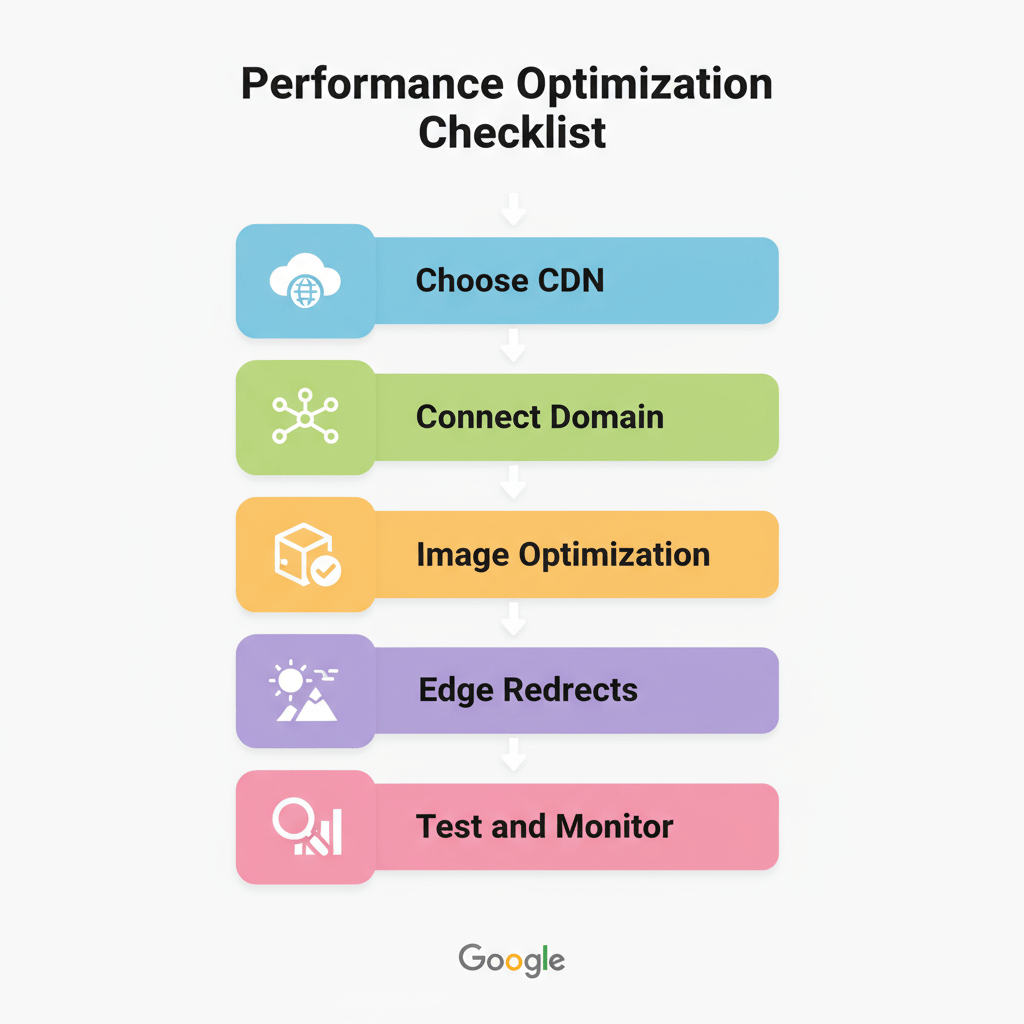
Choosing the right CDN for your stack
Does a CDN help SEO equally across providers? The core benefits are similar, but details vary. Evaluate points of presence near your audience, image capabilities, programmable rules, logs, support quality, and pricing transparency.
- Edge and tiered caching for fewer origin hits.
- Advanced image processing and AVIF support.
- Programmable redirects and header logic.
- HTTP/3, TLS 1.3, Brotli always on.
- Real time logs to debug crawl and cache issues.
If you still ask does a CDN help SEO for your specific CMS or app, test with a staging domain and compare metrics for at least 28 days.
WordPress specific tips that actually move the needle
WordPress sites gain a lot from image and asset optimization. Use a CDN plugin or your provider’s integration to rewrite media URLs cleanly and to avoid mixed content.
Coordinate your CDN with your page cache plugin. Purge carefully on updates. If your team wants help, our SEO services include WordPress performance tuning, CDN integration, and Core Web Vitals remediation.
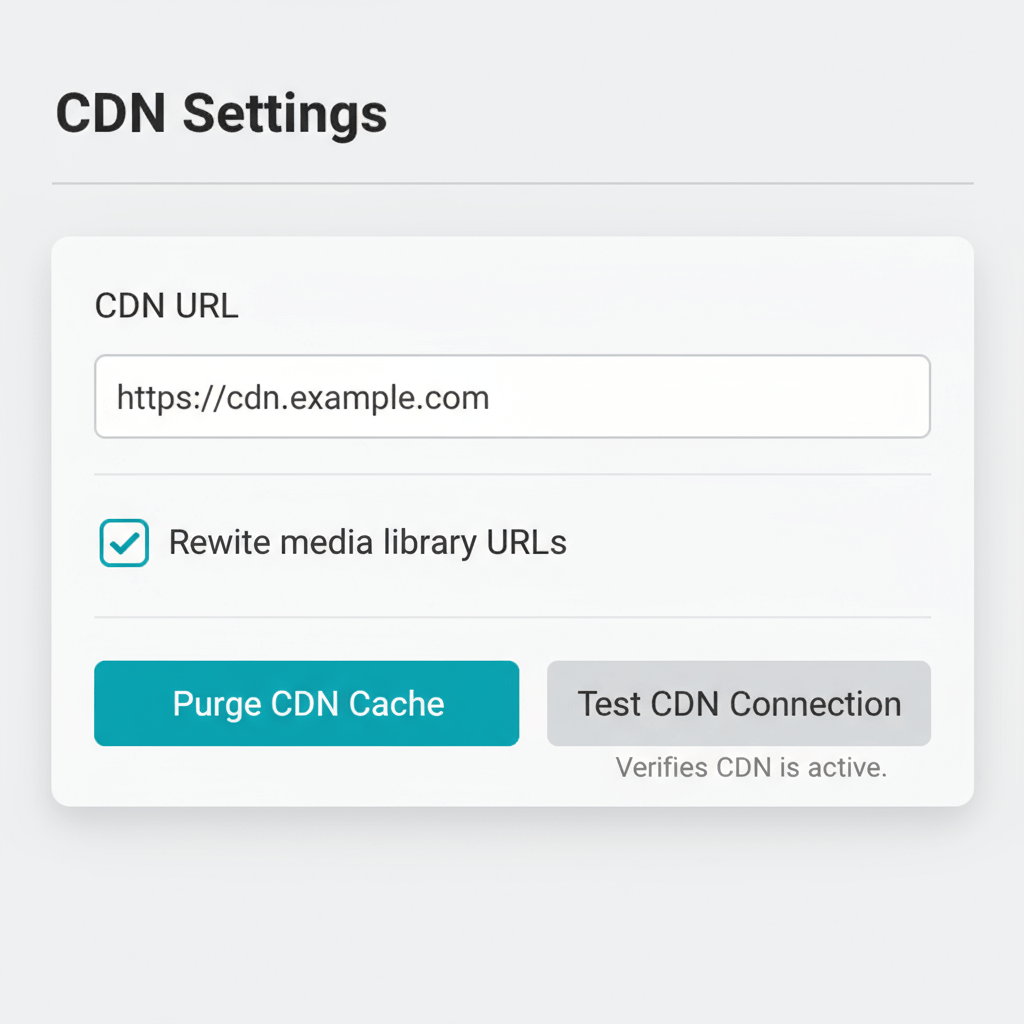
One more time for clarity. Does a CDN help SEO on WordPress if you already run a cache plugin? Yes. A CDN and page cache solve different layers. The CDN shortens network distance and optimizes delivery across regions.
Measurement: prove the SEO impact
When stakeholders ask does a CDN help SEO, bring data. Compare before and after on Core Web Vitals, TTFB, crawl stats, index coverage, rankings, and conversions. Use field data for reliability.
You can pair CDN logs with analytics to see hit ratios and origin load reduction. To make analysis simple, our analytics and reporting team builds dashboards that tie performance to revenue so decisions stay grounded.
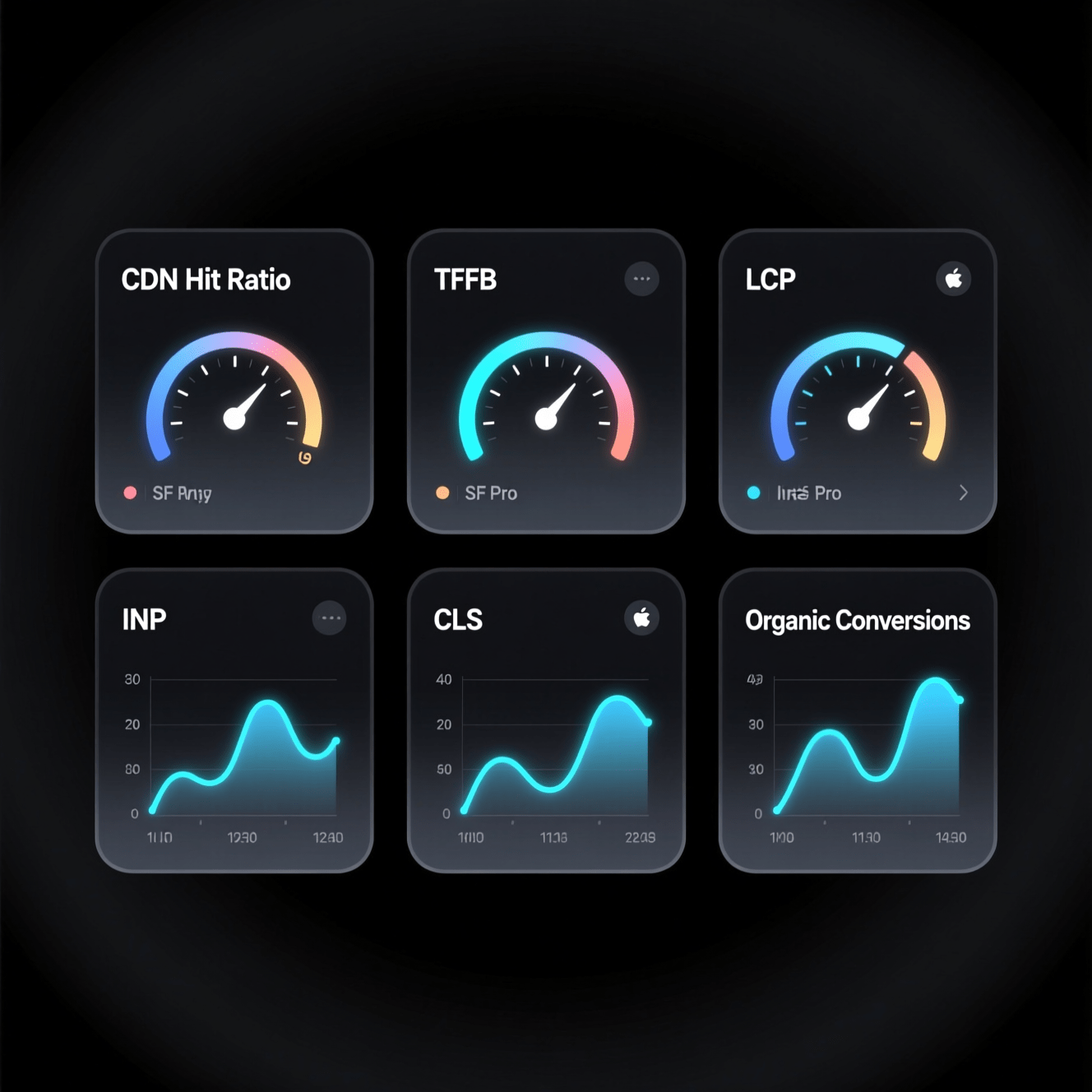
Finally, ensure your images are compressed and cached. Smaller, well compressed images plus long cache lifetimes unlock the full effect. That is another practical yes to does a CDN help SEO in daily operations.
Real world Q and A: quick hits
These are the specific ways people phrase the big question. Each speaks to a slice of the truth behind does a CDN help SEO in practice.
- Does a CDN help SEO for ecommerce with many images? Yes, especially with edge image resizing.
- Does a CDN help SEO across continents? Yes, edges near users reduce latency dramatically.
- Does a CDN help SEO if origin servers are in one region? Yes, global edges close the gap.
- Does a CDN help SEO when site architecture is heavy on JS? It helps delivery, but you still need to reduce JS cost.
FAQs
Does a CDN help SEO for small sites?
Yes. Even small sites gain from lower latency and better Core Web Vitals. Costs are modest and results are measurable.
Does a CDN help SEO if I only serve one country?
Usually. Your users still sit on different networks. Nearby edges and compression make the experience consistently fast.
Do I still need page caching if I use a CDN?
Yes. CDNs and page caches complement each other. Page caching reduces origin work, while the CDN optimizes delivery to users.
Should I cache HTML at the CDN?
Only if you know the variants and purge strategy. Otherwise, cache static assets long and keep HTML dynamic with short TTLs.
What metrics prove the impact?
TTFB, LCP, INP, CLS, 5xx error rates, crawl stats, index coverage, and conversions. Track pre and post for 28 days.
How do I avoid duplicate CDN URLs in search?
Disallow the CDN host in robots.txt, keep canonicals on the primary domain, and avoid linking to the CDN host in public pages.
Can Brand Nexus Studios implement this for me?
Absolutely. Our team can plan, deploy, and monitor your CDN as part of a high performance stack built for growth. Start with our SEO services.
References
Wrap up and next steps
So, does a CDN help SEO? Yes. It boosts Core Web Vitals, improves reliability, enhances crawl efficiency, and supports global reach. The key is smart configuration and ongoing measurement.
If you want expert hands on your stack, Brand Nexus Studios can help you plan and ship a fast, stable site that grows. Get in touch at info@brandnexusstudios.co.za, subscribe to the blog, drop a comment, or share this post with your team.
About the Author