

A strategic view of conversion rate optimization turns scattered ideas into a focused growth engine.
Conversion Rate Optimization: 27 Powerful Wins That Delight
By Morne de Heer. Published by Brand Nexus Studios.
You want more revenue without just buying more traffic. Conversion rate optimization is your most reliable lever for turning existing visitors into customers, subscribers, and leads.
Right away, conversion rate optimization shifts attention from vanity metrics to outcomes. Instead of hoping, you measure, test, and improve what your audience experiences at each step.
Because focus beats guesswork, conversion rate optimization unlocks compounding gains. A few percentage points at each stage of your funnel stack up fast, and they keep paying you back month after month.
What is conversion rate optimization and why it matters
At its core, conversion rate optimization is a structured process that lifts the percentage of visitors who complete a desired action. It combines analytics, UX, copy, design, and experimentation to remove friction and raise motivation.
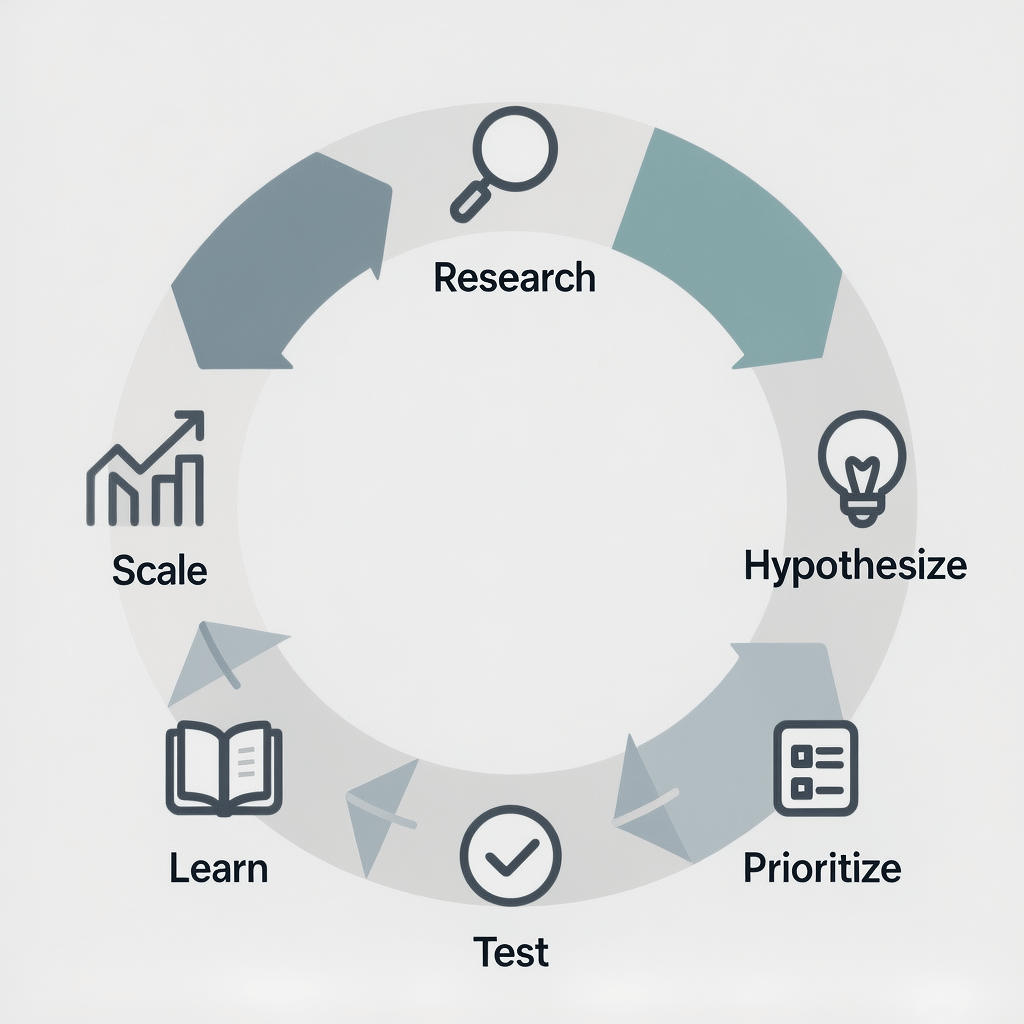
Instead of chasing opinions, conversion rate optimization relies on research. You analyze data, watch real behavior, and interview customers. Then you propose focused changes, test them, and adopt what works.
Most teams see the biggest early returns when conversion rate optimization targets high intent pages. Product pages, pricing, checkouts, lead forms, and key landing pages offer quick and measurable wins.
The conversion rate optimization process
Start with measurement. Conversion rate optimization needs trustworthy tracking for goals, funnels, and events. When you can see where visitors succeed or stall, you can intervene with precision.
Next, blend qualitative and quantitative inputs. Conversion rate optimization works best when traffic numbers meet human context. Heatmaps, session recordings, and surveys help you understand why numbers move.
Then, prioritize ideas with a simple framework. Conversion rate optimization often uses ICE or PIE scoring to balance impact, confidence, and effort. The highest scores go first, so you learn faster.
Finally, run experiments. Conversion rate optimization usually starts with clean A/B tests, so each change gets a fair read. When a variant wins, you implement it, monitor, and keep iterating.
27 powerful conversion rate optimization wins you can ship this quarter
Instead of random tweaks, conversion rate optimization thrives on focused actions that reduce friction and clarify value. Use this list to spark your roadmap.
Clarity and value proposition
- Rewrite your primary headline to state who it is for, what it does, and the outcome. Conversion rate optimization starts with clear promises.
- Add a concise subhead that answers why choose you over alternatives.
- Turn vague CTAs into specific, low friction actions. Try Get My Free Quote or Start 14 day Trial.
- Place your strongest differentiator above the fold and repeat it where decisions happen.
Trust and reassurance
- Surface proof near CTAs. Add rating stars, client logos, certifications, and short testimonials.
- Publish clear pricing. Conversion rate optimization benefits from reduced anxiety about hidden costs.
- Explain guarantees, returns, and support in one short, skimmable block.
- Use plain language for privacy and security so visitors feel safe to proceed.
Friction reducers
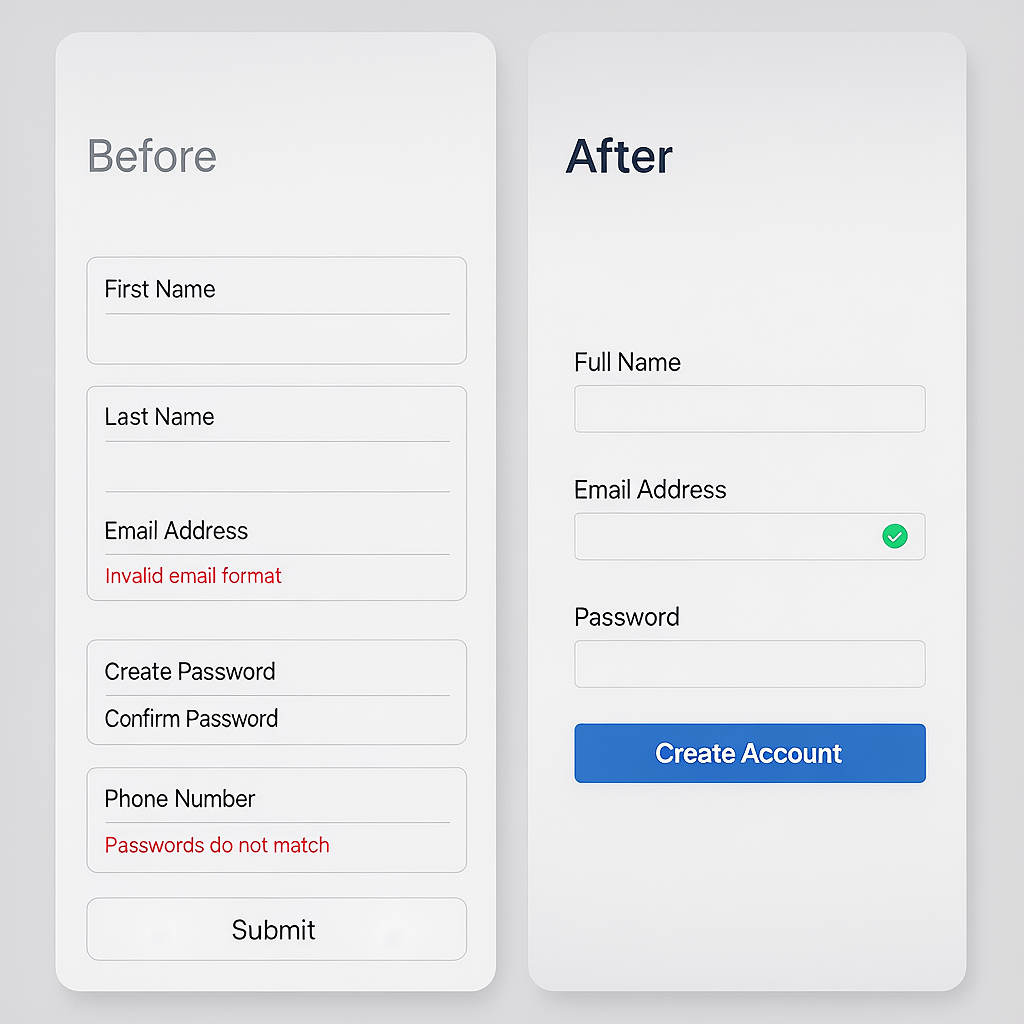
- Cut form fields to the absolute minimum. Conversion rate optimization wins often start with forms.
- Enable autofill and input masks. Show inline validation with helpful microcopy.
- Offer guest checkout, social sign in, or passwordless options.
- Remove dead ends. Add continue shopping links and relevant next steps.
Visual hierarchy and layout
- Make primary CTAs dominant in color and size. Conversion rate optimization depends on clear focus.
- Use generous spacing with short paragraphs and scannable bullet lists.
- Group related content and reduce cognitive load with clear sections.
- Highlight benefits next to features. People buy outcomes, not specs.
Speed and mobile experience
- Compress images aggressively and use efficient formats. Conversion rate optimization benefits when pages render fast.
- Implement caching, minification, and lazy loading for media and embeds.
- Design mobile first. Ensure tap targets, spacing, and forms are finger friendly.
- Reduce JavaScript bloat and defer non critical scripts.
Product and pricing specifics
- Use comparison tables that clarify differences between plans or products.
- Bundle popular items and pre select best value options.
- Show total cost, taxes, and shipping early in the flow.
- Add persuasive microcopy at key hesitations like shipping or signup.
Social proof and urgency
- Add recent reviews and customer photos on product pages.
- Use ethical urgency such as limited seats in a cohort or scheduled shipping windows.
- Show live stock levels only if accurate. Avoid fake scarcity.
- Highlight how many people chose a plan to reduce choice overload.
Set up your measurement stack for conversion rate optimization
Strong conversion rate optimization depends on trustworthy data. Verify that GA4 events, conversions, and funnels line up with your business goals.
Then, map your key journeys. Conversion rate optimization thrives when checkout, signup, and lead capture steps are tracked as distinct stages that you can analyze by channel and device.
Finally, build a simple dashboard. Conversion rate optimization moves faster when everyone can see the same signal. Add views for volume, conversion, and revenue or lead value.
Research methods that power conversion rate optimization
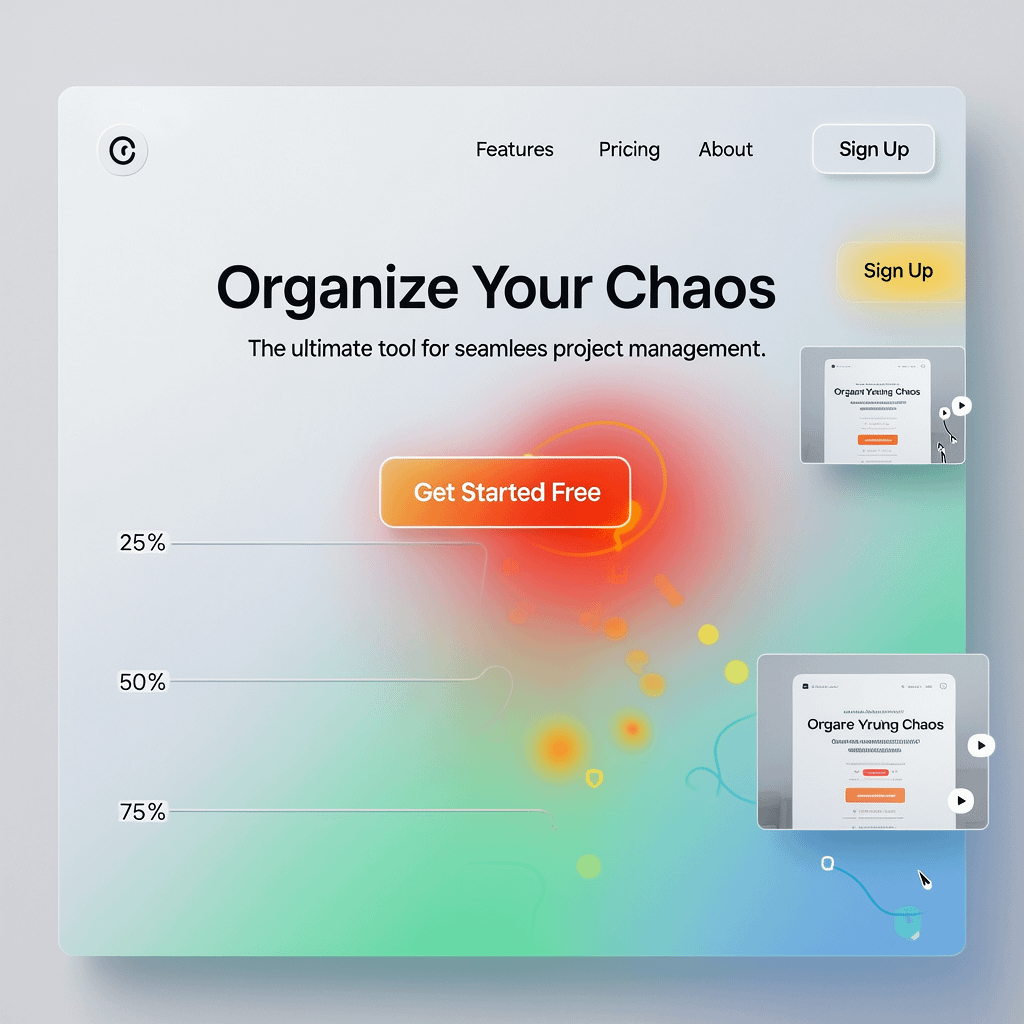
Bring context to numbers. Conversion rate optimization that blends qualitative and quantitative inputs finds richer insights and bigger wins.
- Heuristic reviews: Score each page for clarity, friction, motivation, and trust.
- Heatmaps and replays: Watch scroll depth, rage clicks, and dead zones.
- On site polls: Ask a single question at the right moment to learn why people hesitate.
- Customer interviews: Hear the exact words your best buyers use to describe value.
- Search terms and reviews: Mine copy that resonates for headlines and objections.
Because patterns repeat, conversion rate optimization benefits from a steady cadence. Run small studies every month so insights never go stale.
Testing the right way with conversion rate optimization
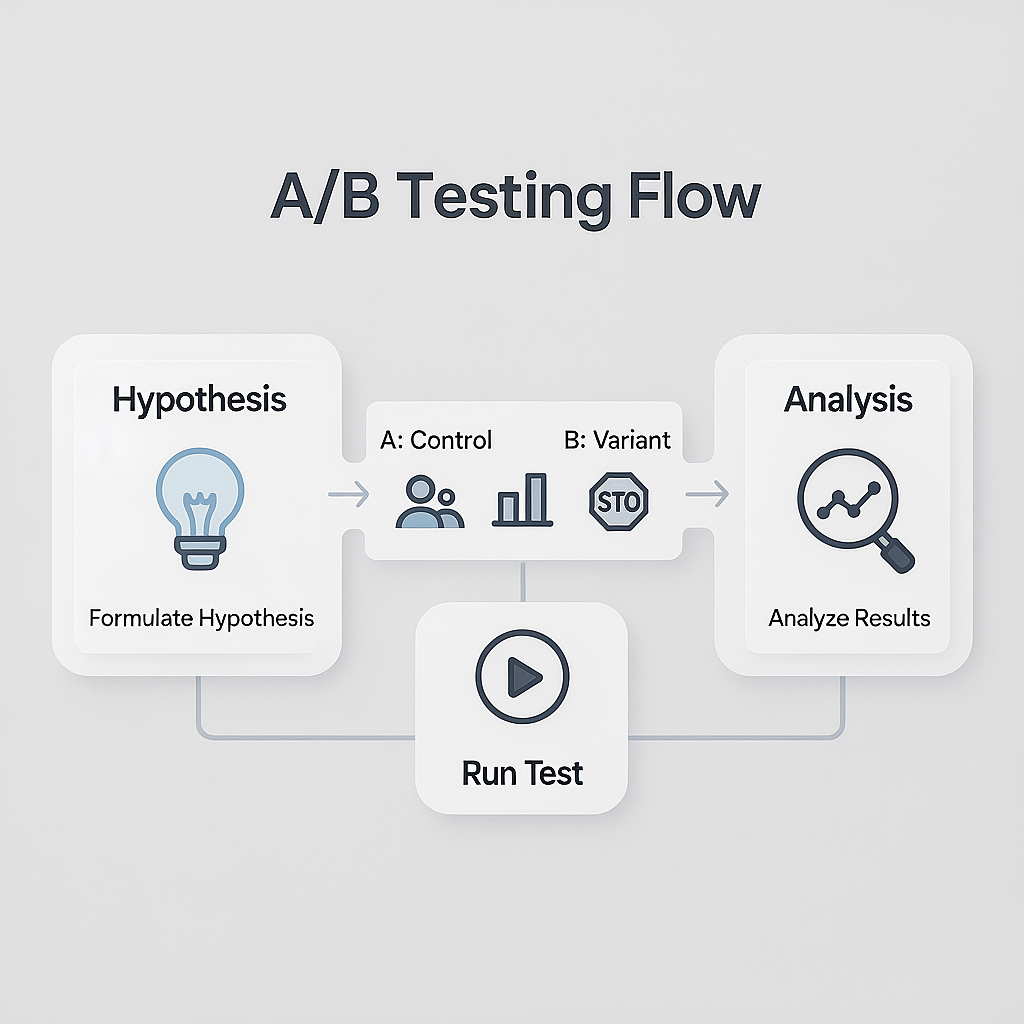
Most teams start with A/B tests. Conversion rate optimization relies on clean hypotheses, fair splits, and enough sample size to trust your results.
Write a crisp hypothesis. Conversion rate optimization hypotheses connect a user problem to a specific change and an expected outcome. For example: Reducing checkout steps will lift completion by 8 percent for mobile users because it shortens effort.
Estimate test duration. Conversion rate optimization needs adequate traffic. Use your baseline conversion, desired lift, and daily sessions to estimate a realistic test window.
Avoid peeking. Conversion rate optimization works when you resist early winners that reverse later. Let the test run, then analyze segments to confirm the story.
Copy and design patterns that boost conversion rate optimization
Words carry weight. Conversion rate optimization often hinges on crisp headlines, specific CTAs, and supportive microcopy that clears objections.
- Headlines: Lead with the desired outcome, not the feature list.
- Benefits next to features: Translate each feature into a real world win.
- CTA clarity: Replace Learn More with Get Pricing, Book A Demo, or Start Free.
- Microcopy: Explain data use, cancellation, and best next steps in plain language.
Design directs attention. Conversion rate optimization uses hierarchy, contrast, and white space to guide eyes to the next action without confusion.
Speed, mobile, and technical foundations for conversion rate optimization
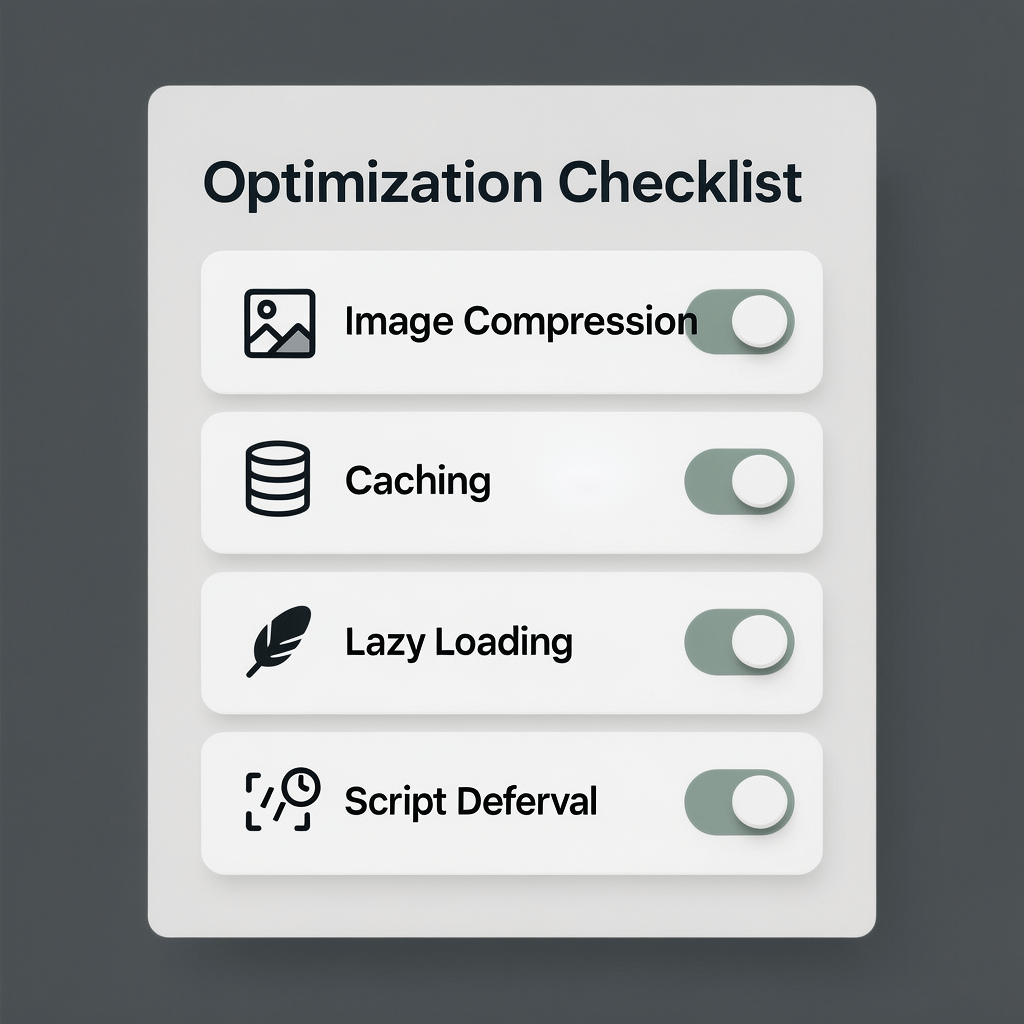
Fast beats fancy. Conversion rate optimization is amplified by quick pages that reduce abandon. Compress images, cache assets, and lazy load below the fold visuals.
Focus on core Web Vitals. Conversion rate optimization improves when Largest Contentful Paint, Cumulative Layout Shift, and Interaction to Next Paint are in the green.
Minimize JavaScript. Conversion rate optimization benefits when you defer non essential scripts and remove anything unused. Lighter pages feel effortless.
Finally, monitor. Conversion rate optimization is a program, not a project. Keep a watch on errors, broken links, and slow templates after every release.
Personalization and lifecycle touches in conversion rate optimization
Start simple. Conversion rate optimization does not require heavy personalization to work. Segment by device, channel, and intent before you attempt 1 to 1 experiences.
Add lifecycle nudges. Conversion rate optimization reaches beyond the session when you use email, SMS, or retargeting to re engage visitors with tailored value.
Keep tests clean. Conversion rate optimization and personalization can conflict if you change too much at once. Test segments separately and measure lift per audience.
Conversion rate optimization for ecommerce, SaaS, and B2B
Ecommerce
Emphasize product discovery, clear pricing, and fast checkout. Conversion rate optimization loves better filters, rich photos, reviews, and strong returns policies.
SaaS
Clarify the problem solved and show the product clearly. Conversion rate optimization thrives on transparent pricing, social proof, and simple trials that reduce setup pain.
B2B
Make qualification easy and provide proof for buyers and validators. Conversion rate optimization here focuses on case studies, ROI calculators, and short, smart forms.
Build a program, not random acts of conversion rate optimization
Pick a cadence. Conversion rate optimization works best when you ship research and tests weekly or biweekly. Treat it like product development for your website.
Track program health. Conversion rate optimization teams manage a backlog, win rate, average lift, test velocity, and time to impact. These meta metrics keep momentum high.
Document learnings. Conversion rate optimization compounding depends on a library of what worked, what failed, and the contexts that mattered.
Align cross functionally. Conversion rate optimization touches marketing, product, design, and engineering. A clear owner and shared roadmap prevent thrash.
Tools that support conversion rate optimization
Choose a lean stack. Conversion rate optimization needs analytics, visualization, testing, form analytics, and speed monitoring. Tooling should empower, not distract.
- Analytics: GA4 for events, conversions, and funnels.
- Testing: An A/B platform you trust for clean experiments.
- Behavior: Heatmaps, scroll maps, and session clips.
- Forms: Field drop off, error tracking, and autofill support.
- Speed: Monitors that alert when core Web Vitals slip.
Because every second counts, conversion rate optimization always includes image compression and caching. Keep images lightweight and serve scaled variants for mobile.
A simple model for prioritizing conversion rate optimization ideas
Use ICE. Conversion rate optimization teams score each idea by Impact, Confidence, and Effort on a 1 to 5 scale, then sort by average or weighted score.
Then, reality check. Conversion rate optimization benefits when you challenge assumptions. Ask what evidence supports the idea and what could block it.
Finally, pick a portfolio. Conversion rate optimization should mix quick wins with a few ambitious experiments, so you learn fast while hunting for step change lifts.
Case snapshot: stacking small lifts with conversion rate optimization
Imagine a store with 50,000 monthly sessions and a 2.5 percent purchase rate. Conversion rate optimization lifts product discovery by 5 percent, product detail conversion by 8 percent, and checkout completion by 10 percent.
Those small gains compound. The net lift takes you past 3.1 percent purchases and a meaningful revenue jump, all from conversion rate optimization without buying more traffic.
Because each improvement sticks, the next quarter starts from a higher baseline. Conversion rate optimization is a compounding asset, not a one time spike.
Where Brand Nexus Studios fits into your conversion rate optimization journey
If you want a partner that treats your site like a product, our team can help you set up analytics, define a roadmap, and run a clean experiment cadence. We keep designs buildable and results transparent.
When design or template work is needed, pairing conversion rate optimization with expert website design and development removes friction between ideas and shipped improvements.
To keep score, our analytics and reporting approach gives you clear dashboards, annotated changes, and honest reads on lift. If you also want more qualified visitors, our SEO services pair perfectly with conversion rate optimization so you grow traffic and outcomes together.
Conversion rate optimization services overview
Here is what a typical engagement looks like when we run conversion rate optimization as a program, not a one off fix.
- Discovery and baselines: Goals, funnels, segments, and current conversion rates.
- Quant and qual research: Analytics deep dives, heatmaps, and short interviews.
- Prioritization: A living backlog scored for impact, confidence, and effort.
- Design and copy: Wireframes, UX improvements, and persuasive messaging.
- Development: Clean, testable changes that won’t bloat your site.
- Experimentation: A/B tests with clear hypotheses and stop rules.
- Analysis and rollout: Ship winners, document learnings, and plan the next cycle.
Because transparency builds trust, we share dashboards and notes after every sprint. Conversion rate optimization is a partnership built on evidence and speed to value.
Frequently asked questions about conversion rate optimization
These short answers cover the questions we hear most often when teams start conversion rate optimization.
What is conversion rate optimization?
Conversion rate optimization lifts the percentage of visitors who complete your target action by combining research, UX, copy, and A/B testing into a steady program.
How long before I see results?
Quick wins can land fast. Most well run tests need 2 to 6 weeks to reach significance. A steady program compounds results over quarters, not days.
Do I need lots of traffic?
Higher traffic helps with testing speed. But conversion rate optimization also thrives on research, heuristics, and sequential tests when traffic is modest.
What should I test first?
Start where intent and volume meet. Pricing, product pages, checkouts, and lead forms usually offer the fastest, clearest wins.
How do I avoid false positives?
Set a minimum test duration, predefine your stop rule, avoid peeking, and confirm results in key segments like device and channel.
Can SEO and CRO work together?
Absolutely. SEO gets qualified traffic, and conversion rate optimization turns that traffic into outcomes. Align goals and share learnings to win twice.
Should I personalize?
Try segment level changes first. Add simple lifecycle touches like cart recovery emails. Then explore deeper personalization with care and measurement.
Next steps
Pick one high intent page and apply three of the wins on this page. Set a baseline today, ship improvements within two weeks, and watch the numbers. Conversion rate optimization pays you back when you move quickly and keep learning.
If you want help turning this playbook into a measurable program, reply to us. Conversion rate optimization becomes a competitive advantage when you combine data, design, and disciplined experimentation.
References
About the Author